
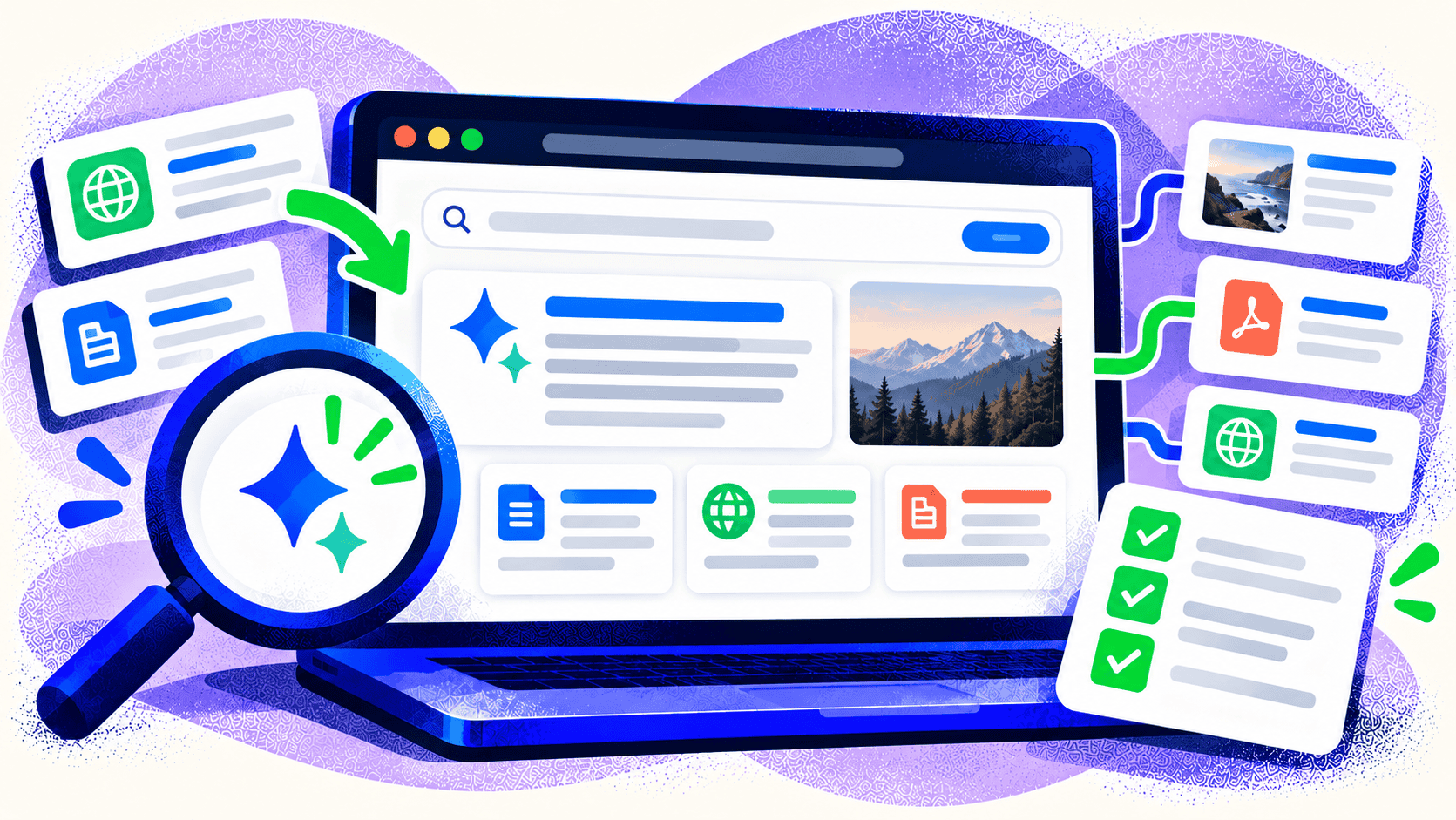
More customers are asking AI tools questions they once typed into a search box. If a customer asks who can solve a problem you handle, will your website give the system enough clear, accessible information to understand your business? That’s the practical question behind AI search readiness.
Kelp’s free Website Checker includes an AI search readiness check and gives you a report of issues worth reviewing. It is a starting point for improving your site, not a promise that a particular AI answer will mention you.
What does “ready for AI search” mean?
There is no single switch that places a business in AI results. A useful site first needs pages that systems can reach and interpret. It also needs specific answers: what you offer, who it is for, where you serve customers, and what makes a recommendation credible.
For ChatGPT search, OpenAI says publishers can allow OAI-SearchBot to access their sites. That’s one technical consideration, but access alone doesn’t create a citation. Your content still needs to be relevant to the question being asked.
Four areas to review
1. Access to important pages
Can search crawlers reach the pages that explain your services or products? Review robots rules, accidental noindex settings, and whether key information is locked behind a script or form. Google’s technical requirements for Search provide a useful baseline for ordinary search visibility too.
2. Clear, answerable content
Write pages around real customer questions. Name the service or product plainly. Explain fit, limitations, process, and next steps. A page that says only “transformative solutions” gives a reader—and an AI system—little to work with.
3. Trust and consistency
Keep business details, author or company context, policies, and claims accurate. Show examples and explain the work. If your site says one thing while current product pages or other public profiles say another, fix the inconsistency at the source.
4. Useful structure
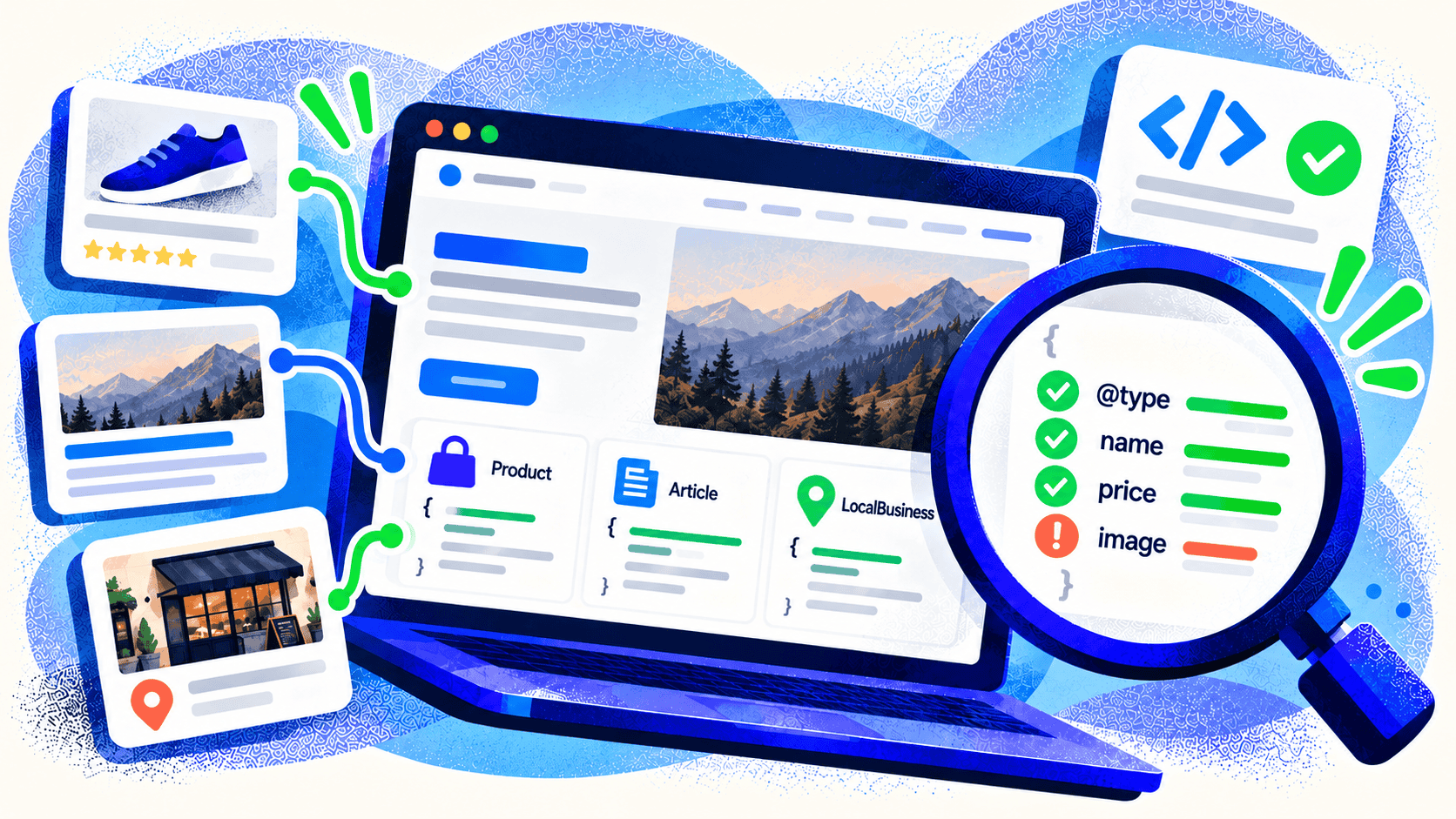
Descriptive headings and appropriate structured data can help make a page easier to interpret. Markup must match the content people can see; it doesn’t guarantee an enhanced search result. Google’s structured data policies are a good guardrail.
What to do after a readiness scan
Start with the pages that matter to your business: core services, top product categories, locations, and questions that come up in sales calls. Read the checker’s report, make the highest-impact fixes, and then review how those pages answer a real customer question. Track qualified traffic and enquiries over time rather than treating one AI response as a permanent ranking.
Run Kelp’s free Website Checker to find a practical starting point. For a deeper AI Search Optimization plan, talk with Kelp.
Leave a Comment